TALLOW, EXPLAINED
What is tallow?
Tallow is rendered beef fat: the suet that sits around a cow’s kidneys, warmed slowly until it separates into a clean, ivory-colored butter that turns solid at room temperature.
That is the whole of it. No emulsifiers to hold water in suspension, no synthetic occlusives standing in for a fat your skin already knows. What makes tallow remarkable is not novelty. It is how closely it resembles us.
THE FAT YOUR SKIN RECOGNIZES
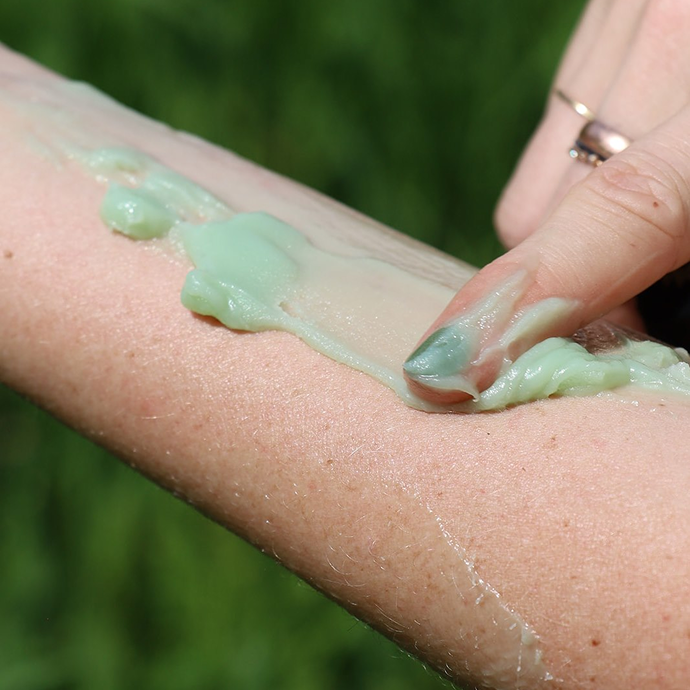
Structurally close to your own sebum
Human skin is built from lipids, and the fatty acids in ruminant fat are strikingly similar to the ones our own sebum produces. Because the structure is familiar, tallow absorbs rather than sits on the surface, and it carries its nutrients with it.
It also has a low comedogenic rating, which is why it suits faces, babies, and the most reactive skin as readily as it suits weathered hands.
- Vitamins A, D, E & K
- Fat-soluble vitamins the skin can only receive through fat.
- Conjugated linoleic acid (CLA)
- Associated with calmer, less reactive skin.
- Palmitoleic acid
- Found naturally in young human skin; supports the barrier.
- Stearic acid
- Softens and helps skin hold its own moisture.
A PRACTICE, NOT A TREND
People have been rendering fat for as long as they have kept animals
Tallow is having a moment, but it is the oldest skincare there is. Every culture that kept cattle learned to render their fat, and used what came out of the pot for light, for washing, and for skin.
Ancient Mesopotamia
The first soap
Clay tablets record animal fat boiled with wood ash. It is the earliest written recipe for soap, and a technique that barely changed for four thousand years.
Rome & medieval Europe
Light, salve, and balm
Tallow lit homes as candles and turned up in apothecary salves for chapped, cracked, and wind-burned skin. The word comes down to us from Middle English, talgh, and has barely changed since.
The American farmhouse
Nothing left over
Rendering day was ordinary work. A household turned its own suet into soap, candles, cooking fat, and skin balm, because buying any of those would have been strange.
The twentieth century
Replaced, not improved
Petroleum by-products and cheap industrial seed oils were easier to ship, easier to shelve, and easier to scale. Tallow left the medicine cabinet for reasons that had little to do with skin.
WHERE OURS COMES FROM
Hudson Valley farms we can drive to
We buy suet from regenerative farms here in New York’s Hudson Valley, among them Kinderhook Farm and Liberty Farms, usually straight from the farmer. We can tell you whose pasture a batch came off, which is the whole point of sourcing this way.
Regenerative is a claim about the land, not a label on a box: herds rotated through paddocks so grass is grazed and then left to recover, roots left deep enough to hold water and build topsoil, and no need for the inputs that continuous grazing demands. Some of our farms are certified organic; others practice the same way without paying for the certification, which is a real cost for a small farm.
Grass-fed and grass-finished
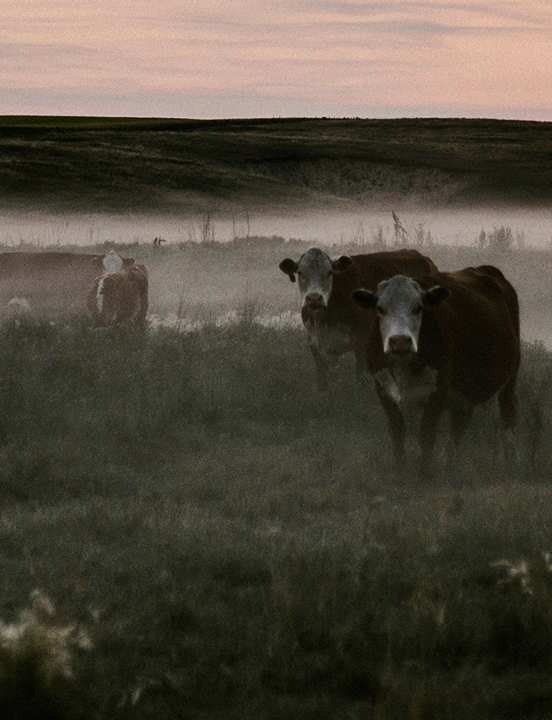
Most beef labeled grass-fed is finished on grain in the last months, and fat is where an animal stores what it ate. Ours graze on pasture their whole lives, through to finishing, which is what gives the tallow its fatty-acid profile, its fat-soluble vitamins, and its faint golden color.
Herds raised in the open
Pasture-raised, rotated through fresh grass, and handled by farmers we know. Healthy animals on healthy ground make better fat; there is no way to shortcut that at the rendering pot.
A double loop, not a supply chain
Suet is usually a by-product with nowhere to go. Buying it gives our farms a second income stream from an animal already raised, and we sell the finished balms back to them at wholesale, so their farm stands carry skincare made from their own land.
HOW WE RENDER IT
Dry-rendered, slowly, with no water added
Rendering is where tallow is made or ruined. Wet rendering — boiling fat in water — is faster and yields more, but it dilutes the fat and strips the nutrients that made it worth using. We dry-render instead: no water, low heat, and time.
Trimmed by hand
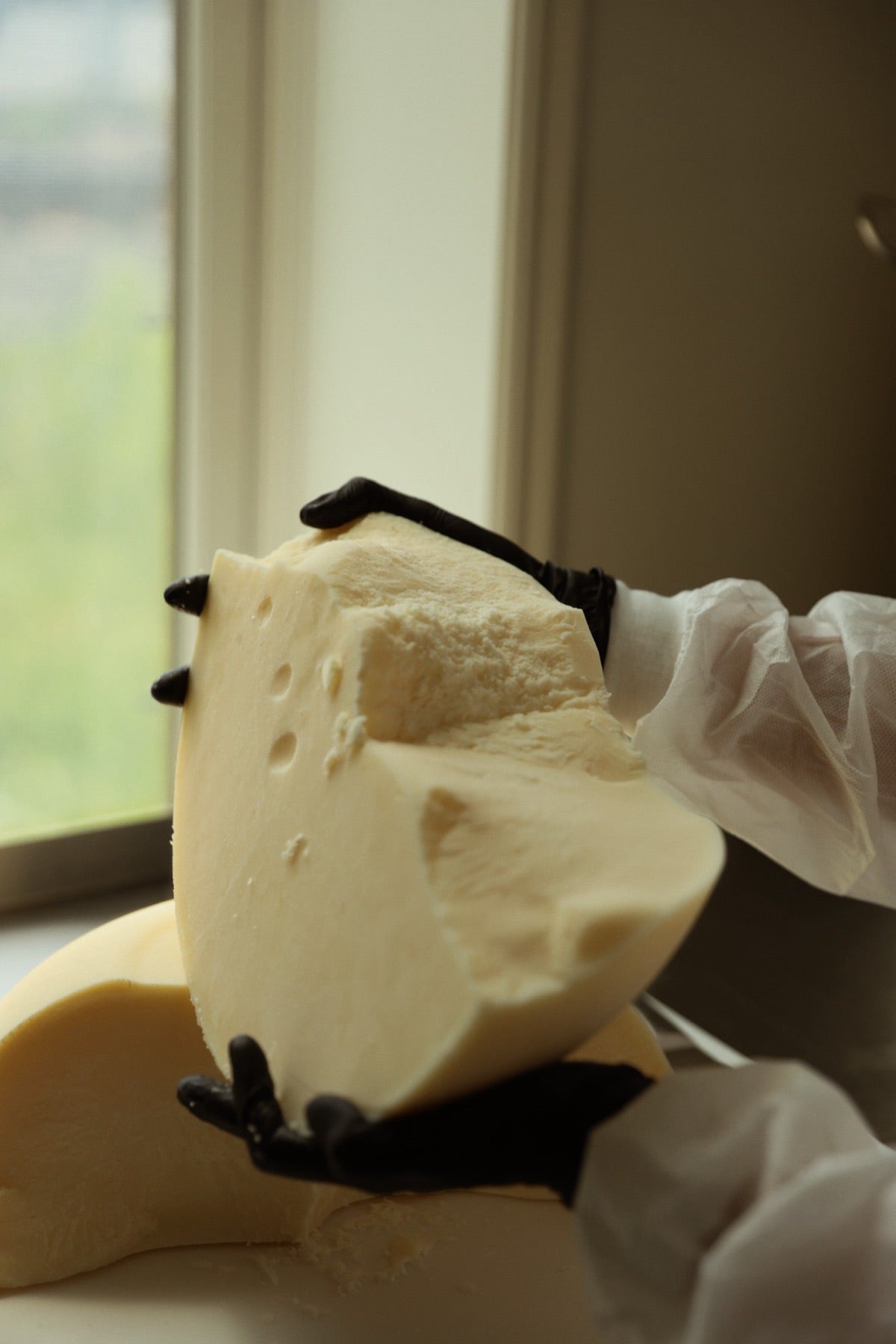
Suet arrives fresh from the farm and is cleaned of anything that isn’t fat.
Rendered dry and low
No water, no salt. Leaving its fatty acids and fat-soluble vitamins intact.
Strained clean
The liquid fat is filtered through cheese cloths and stainless steel mesh and left to set into pure white tallow. Nothing bleached, nothing deodorized.
Poured Hot
Seven or fewer ingredients per formula: jojoba oil, structurally close to human sebum and stable enough to resist oxidation, plus sunflower-derived vitamin E to keep every jar fresh.
Hand-poured, never whipped
Whipping beats in air, which thins the product, invites bacteria, and deflates on your shelf. We pour it hot so you get the full weight of what you paid for.
Third-Party Tested
Every product is third-party tested for heavy metals and microbial safety. We’re a registered FDA cosmetics manufacturing facility, so quality and transparency are built into everything we make.
Seven ingredients or fewer. One pasture at a time.
Balms, lip care & soap are rendered from grass-fed, grass-finished tallow and made by hand in the Hudson Valley.
Still have questions? Read the FAQs or our story.